
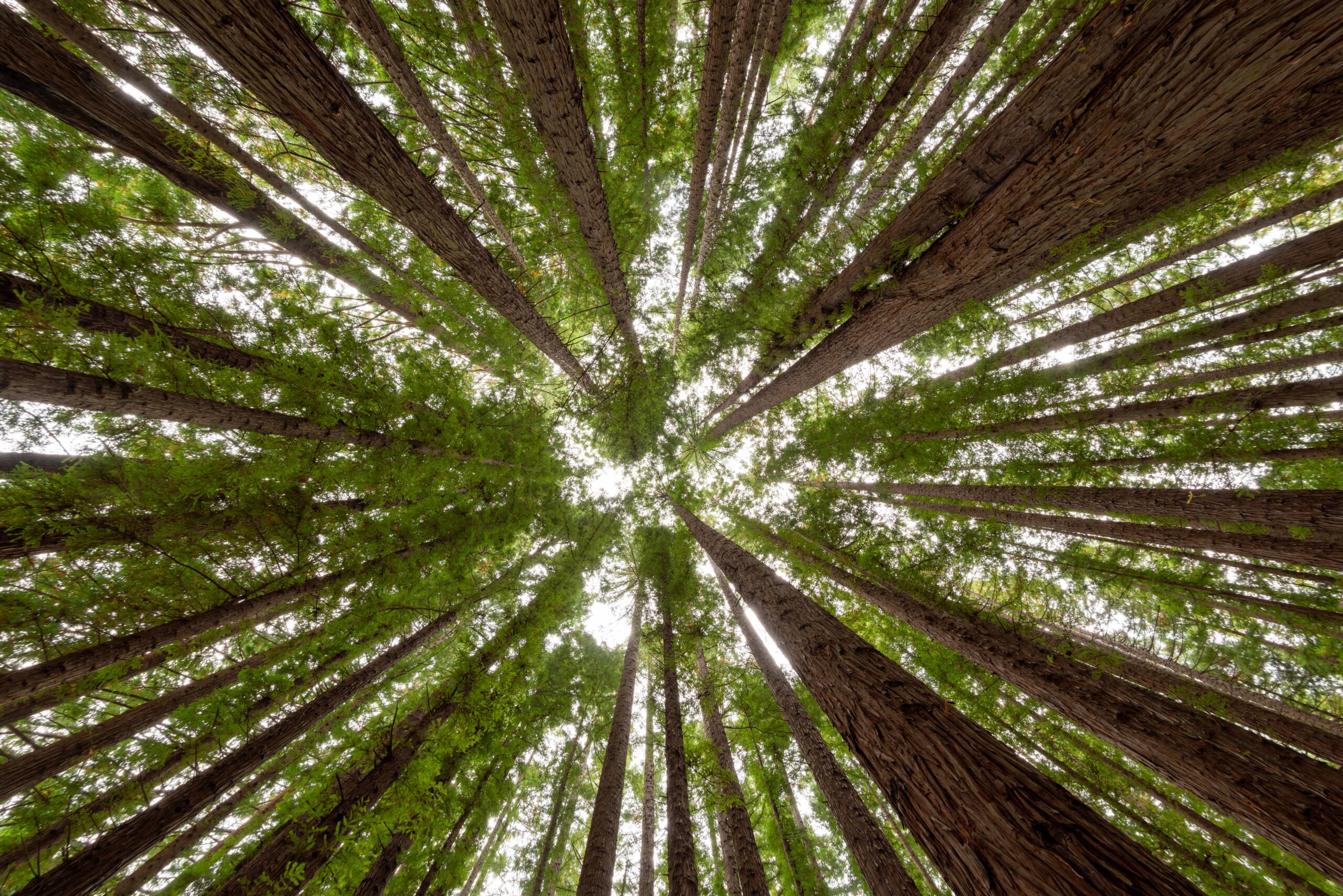
A new study has found that oak trees continue absorbing carbon dioxide long after their annual growth has stopped, challenging a key assumption about how forests store carbon. Researchers discovered that while tree growth ends during late summer, photosynthesis can continue for several more months. Instead of being converted into new wood, much of the captured carbon is used to support leaves, roots, and other biological processes. The findings suggest that forests may store less carbon in woody tissue than previously estimated, which could influence future climate models and predictions of how forests respond to rising carbon dioxide levels.