
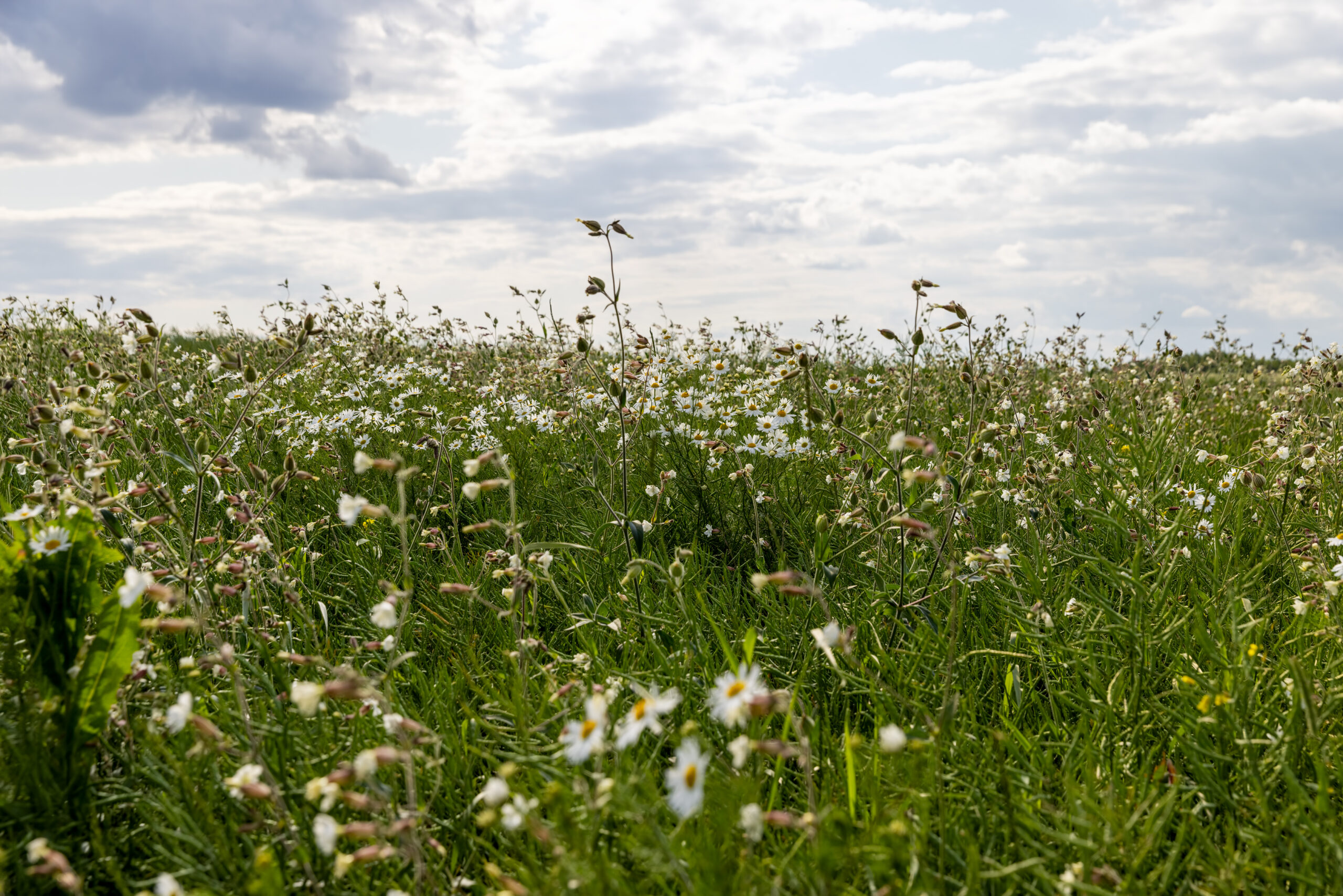
Scientists at University College London have found that abandoned farmland can naturally recover into a diverse wildflower meadow without expensive restoration methods such as commercial seed mixes. Over 11 years, a two-hectare field in North Norfolk more than doubled the number of plant species found in its survey plots, rising from about 10 species in 2011 to nearly 20 in 2022. Thousands of orchids appeared naturally, along with other species such as yellow rattle and common centaury. The researchers believe some plants may have returned through natural processes, including seeds dispersed by wildlife. The findings suggest that simply giving nature enough time to recover could be an effective and inexpensive way to restore biodiversity. The researchers argue that natural regeneration may also preserve the genetic diversity of locally adapted plants better than planting commercial seed mixes. The study highlights how a simple approach—traditional hay cutting combined with minimal intervention—can create valuable habitats for pollinators, birds and mammals while supporting broader efforts to restore biodiversity.