
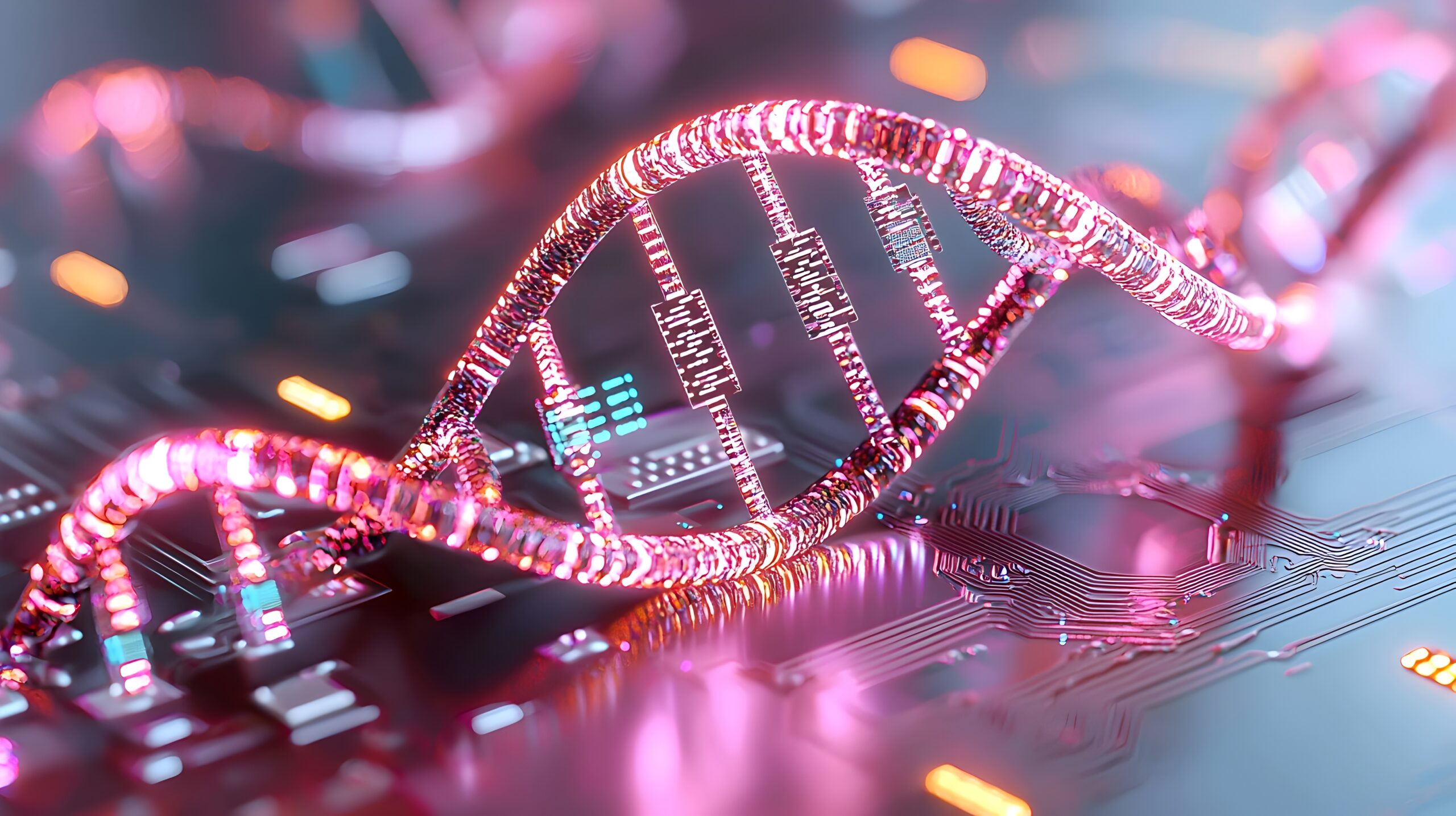
Researchers at Harvard have developed a silicon chip capable of writing 64 different DNA sequences simultaneously using electricity and water-based enzymes, offering a cleaner alternative to conventional DNA manufacturing. Unlike traditional methods that rely on hazardous chemicals, the new technology uses tiny electrical currents to precisely control DNA synthesis at specific locations on the chip. The approach could make DNA production more efficient and environmentally friendly. The breakthrough may support future applications in medical research, synthetic biology, portable DNA-writing devices, and even DNA-based data storage. However, researchers say further advances in DNA synthesis chemistry will be needed before the technology can be scaled for large-scale use.